Phoebe's Story
SPECIES
Black Rhino
DATE OF ADMISSION
21st September 2017
ESTIMATED AGE ON ARRIVAL
18 months
REASON FOR ADMISSION
Orphaned - mother poached
FROM
Malalane KNP
FRIENDS
Ratu, Taro & Andy (Son)
CURRENT STATUS
Rewilding and Release
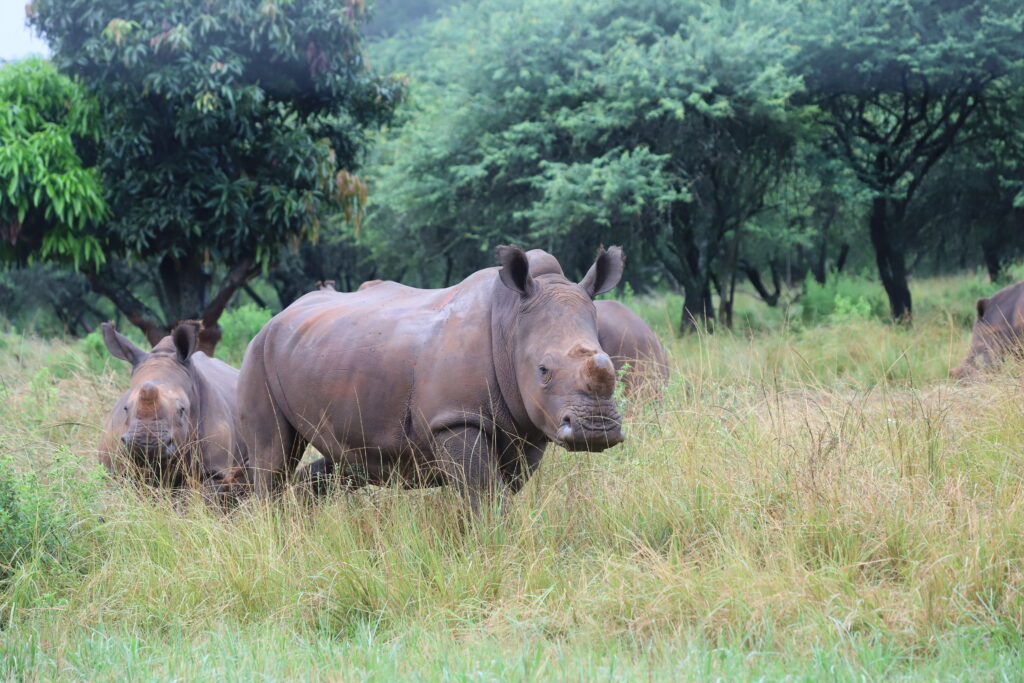
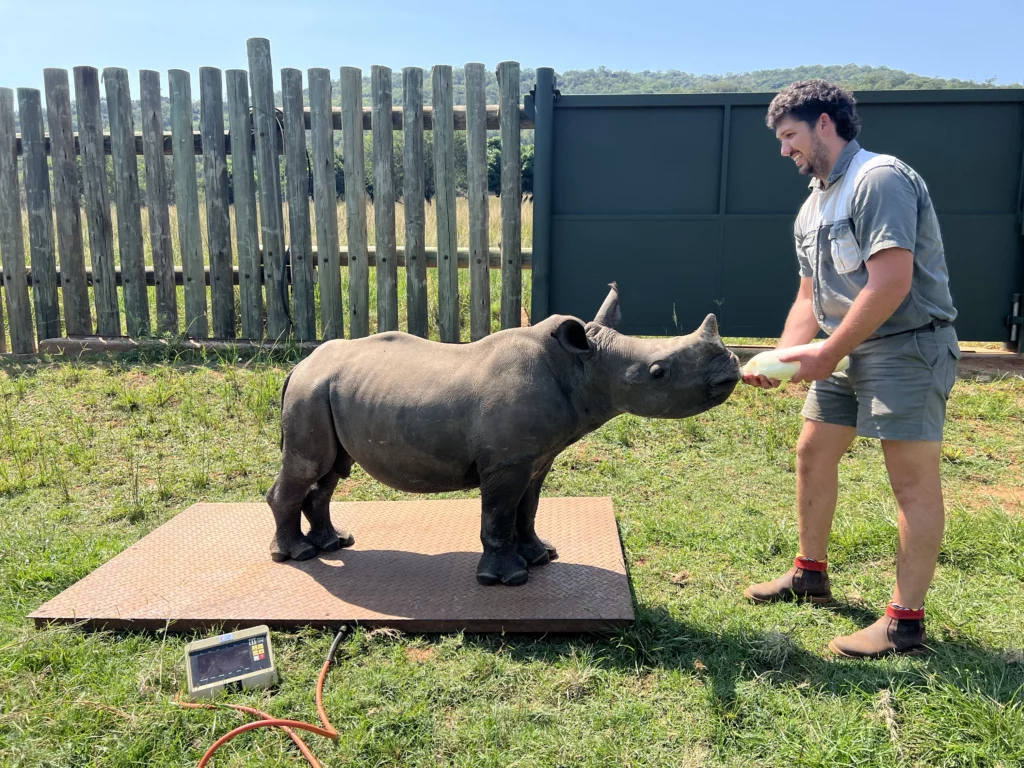
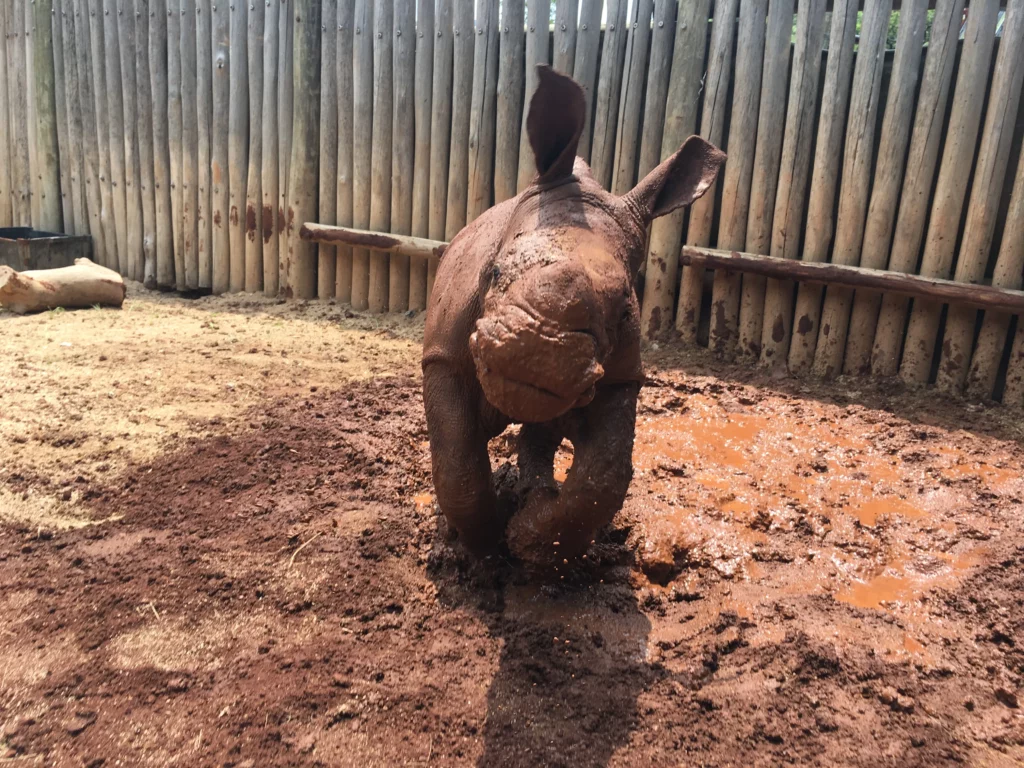
Phoebe's journey began in 2017 when poachers killed her mother, leaving her orphaned and vulnerable in the wild. As a young black rhino calf, her future was uncertain, but she was rescued and brought to Care for Wild Rhino Sanctuary where she would begin the long process of rehabilitation.
Black rhinos present unique challenges in rehabilitation. Naturally more solitary and often more cautious than white rhinos, they require specialised care and handling. Over time, Phoebe adapted to life at the sanctuary, slowly building trust with her caregivers while developing the skills she would need for the future.
In early 2018, another orphaned black rhino calf, Ratu, arrived at Care for Wild. The two young rhinos formed an important bond and progressed through rehabilitation together. As they matured, they entered the next phase of their journey: a carefully managed rewilding and reintroduction programme designed to prepare them for life in a protected natural environment.
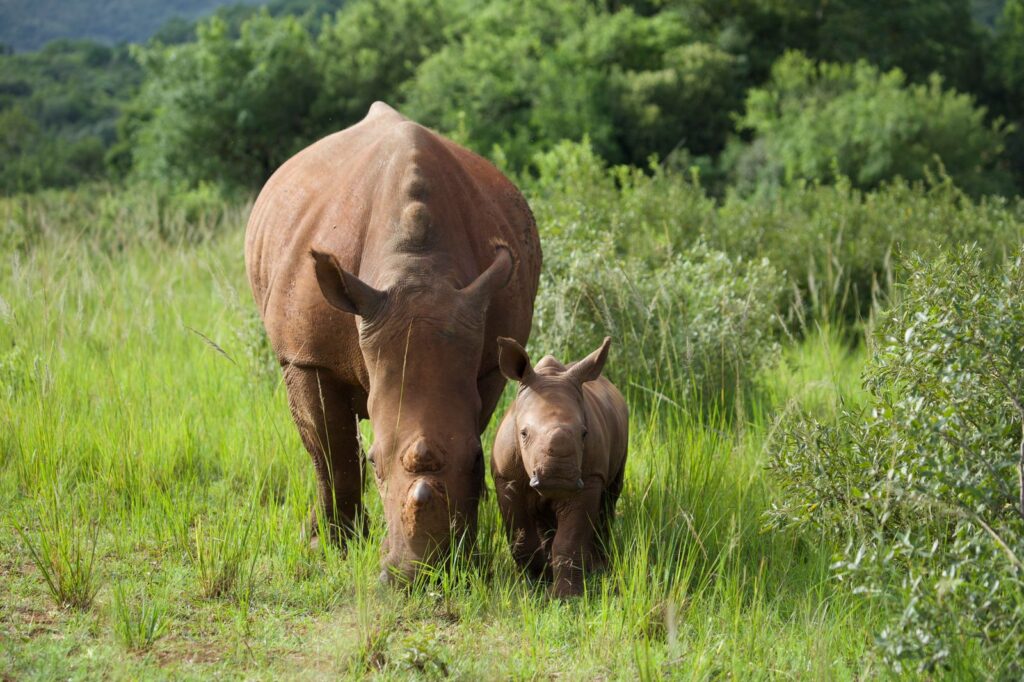
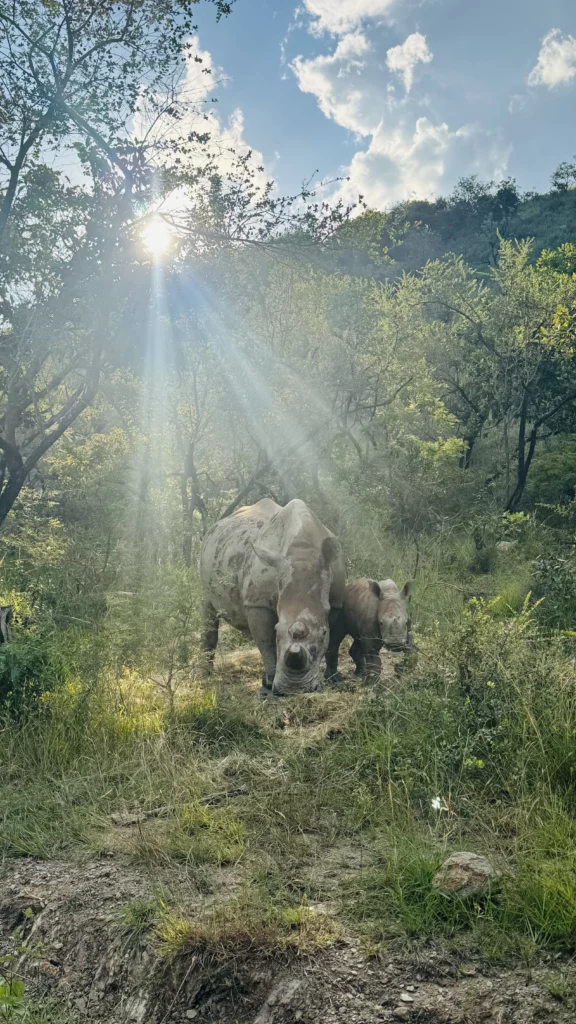
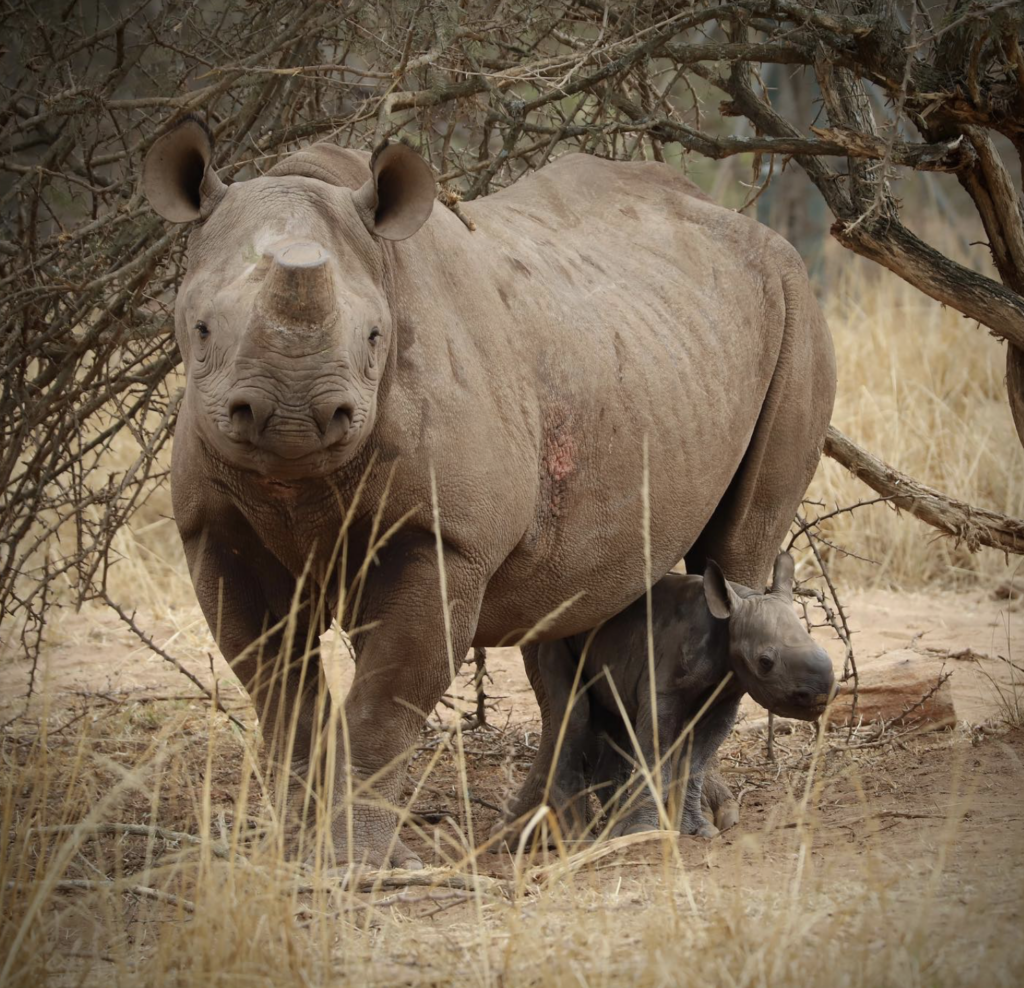
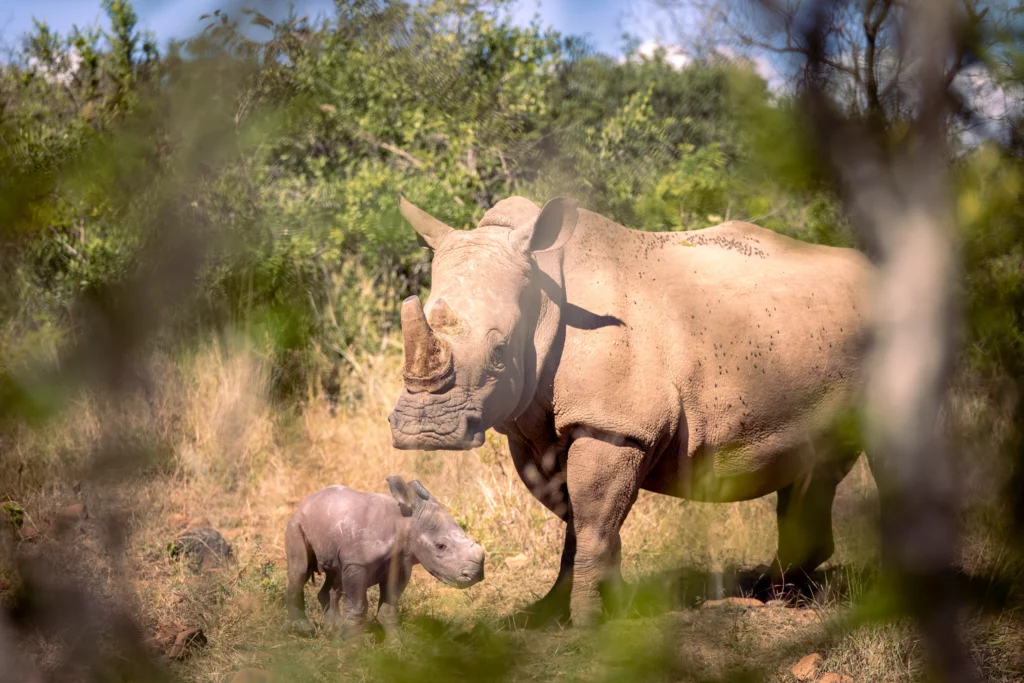
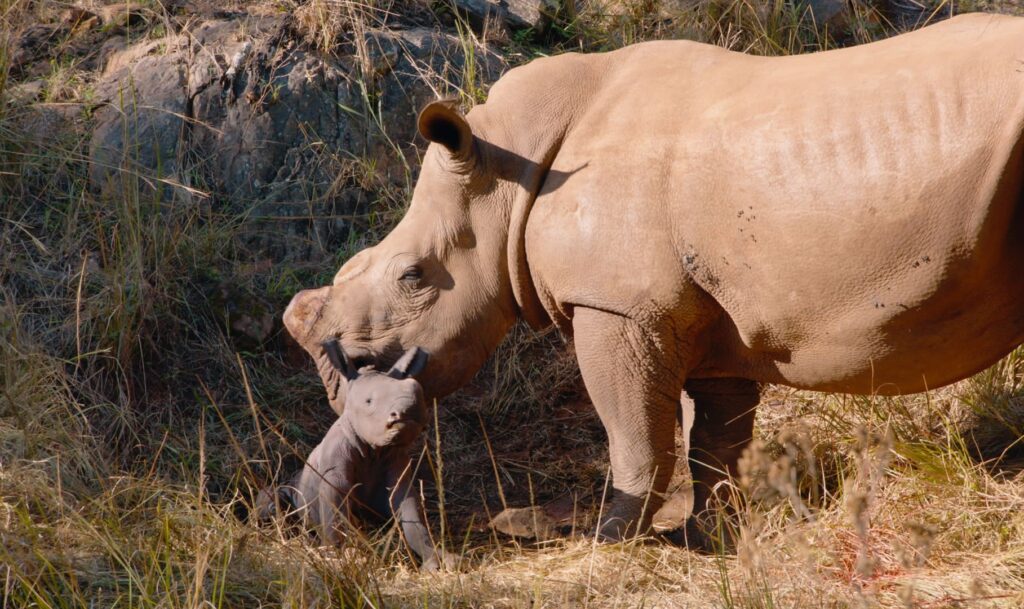
Years of dedicated care, rehabilitation, and monitoring culminated in an extraordinary milestone on 24th August 2024, when Phoebe gave birth to her first calf. For Petronel and the Care for Wild team, it was an emotional and deeply rewarding moment. While the birth marked the nineteenth calf born to rehabilitated rhinos at Care for Wild, it was the first critically endangered black rhino calf born to two rehabilitated orphan survivors of poaching.
Phoebe immediately proved herself to be a devoted and attentive mother. She kept her calf close, protected him fiercely, and nursed him regularly. Watching an orphaned calf grow into a confident mother was a powerful reminder of why rehabilitation and rewilding matter.
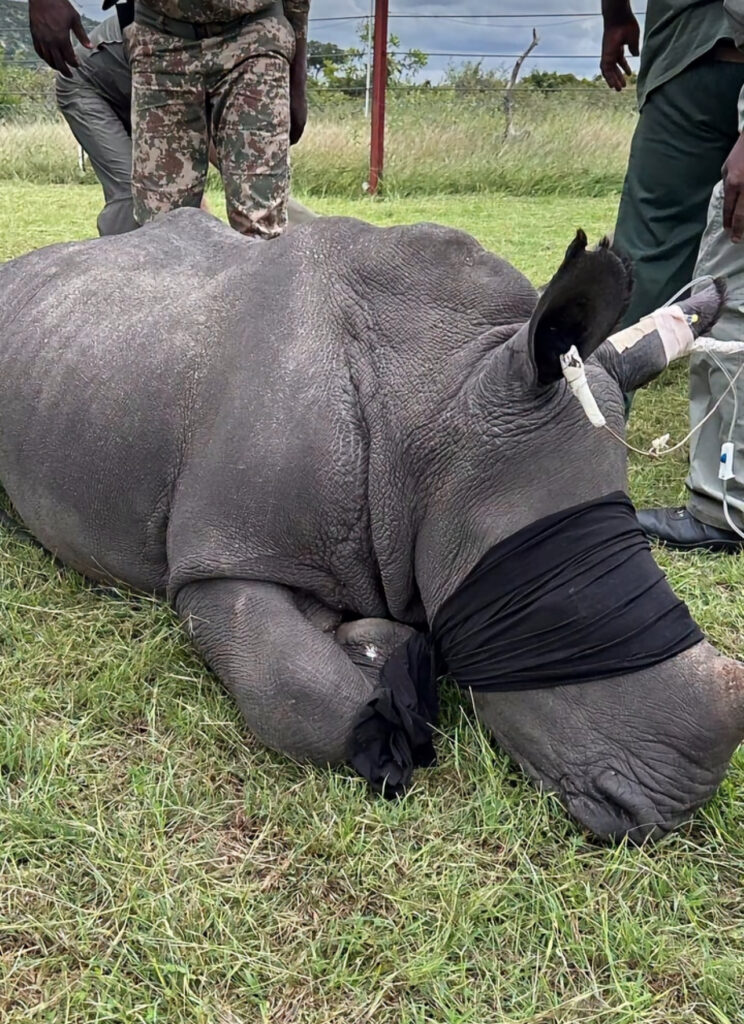
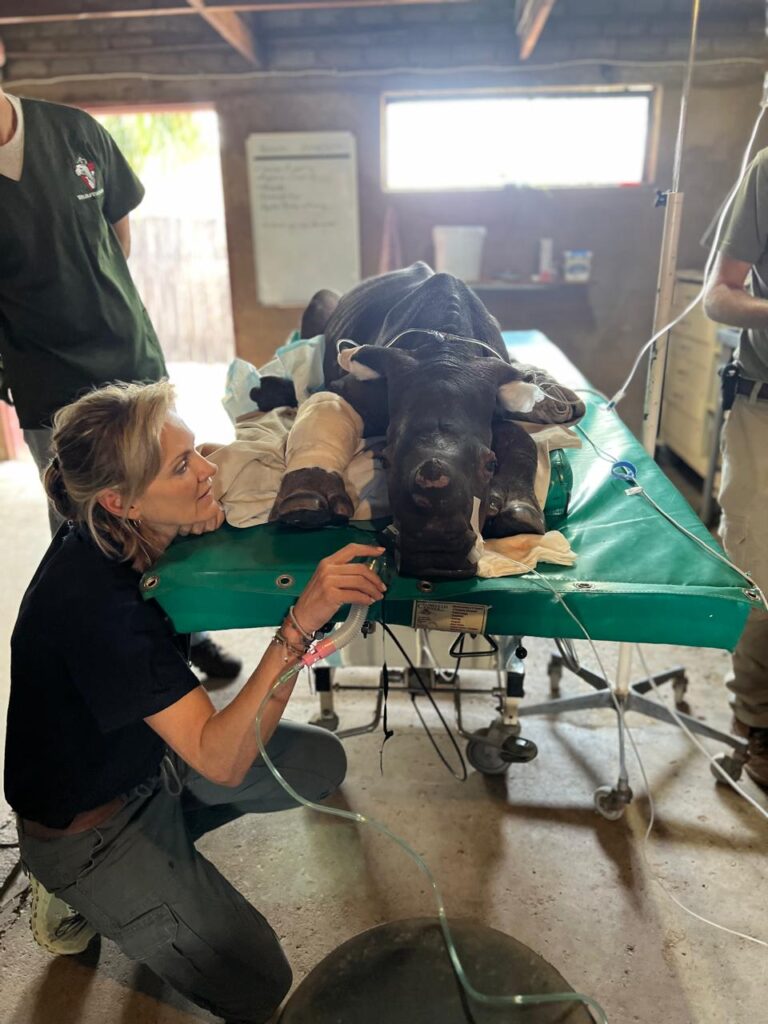
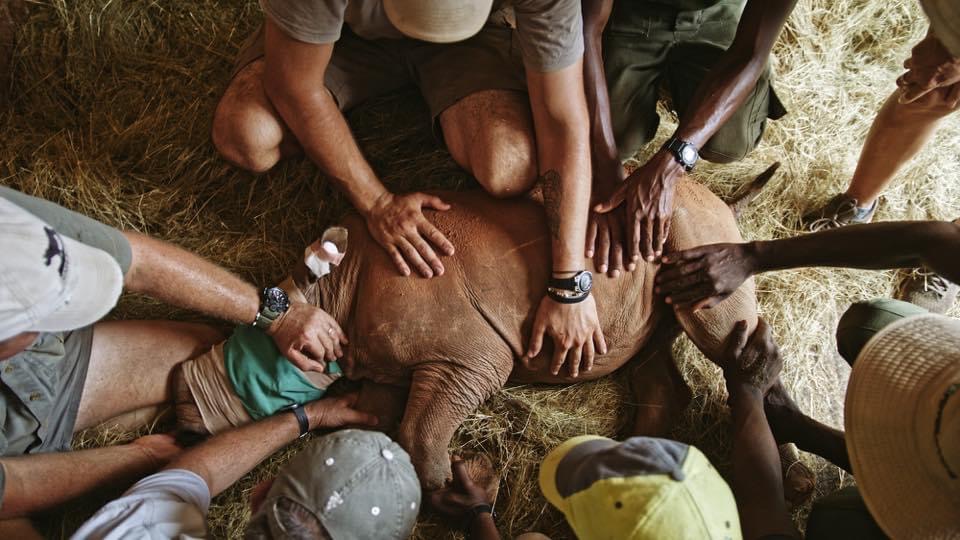
Just days after his birth, however, concerns began to emerge. Rhino Monitors observed that the calf was limping. As the days passed, the situation worsened and he stopped placing weight on one of his feet. Veterinarian Dr. Chris Smith was called to assess the young calf, and after careful consideration, the decision was made to immobilise and examine him before returning him to his mother.
Working with black rhinos is exceptionally challenging and requires meticulous planning, experience, and teamwork. Once safely sedated, the calf underwent a thorough examination. Thankfully, X-rays revealed no fractures or breaks. However, the team identified a small puncture wound, most likely caused by a thorn. Many of the thorn species favoured by black rhinos contain natural toxins that can cause significant irritation and inflammation, particularly in calves whose feet are still soft and developing.
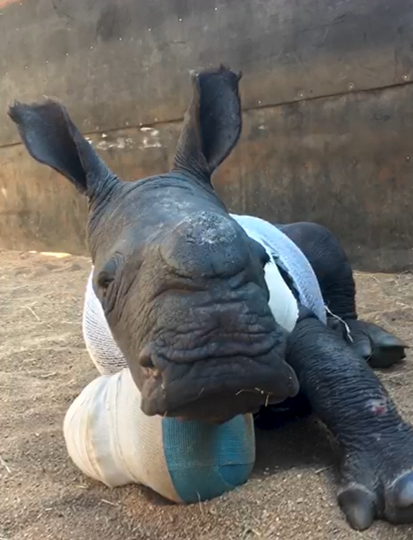
Initial treatment focused on infection control and pain management before the calf was reunited with Phoebe, who accepted him immediately. Unfortunately, the toxin proved more aggressive than anticipated and necrosis began to develop in the surrounding tissue. Over the following weeks, multiple immobilisations and veterinary interventions were required to clean, dress, bandage, and treat the wound.
Throughout the entire process, the team's primary goal remained unchanged: to provide the highest level of medical care while ensuring that mother and calf remained together. The specialised dressings, medications, equipment, and veterinary support required for the young calf's treatment were extensive, but thanks to the generosity of supporters, every aspect of his care could be provided.
The calf responded well to treatment and gradually began to heal. When the summer rains arrived, Phoebe and her calf were temporarily brought back to the bomas, allowing the team to provide shelter and closely
monitor his recovery. With time, patience, and continued care, his bandages were removed and his strength returned.
Adopt a rhino. Become part of their story.
Rhino adoption is one of the most personal ways to support Care for Wild. Your adoption helps provide ongoing support while giving you a meaningful connection to an individual rhino’s journey.
Whether you adopt for yourself, your family, your classroom, your company or as a gift, you become part of a rhino’s incredible journey.
Rhino Adoption Benefits
Each adopter will receive:
Adoption contributions support all aspects of the care and protection of rhinos at Care for Wild Rhino Sanctuary.
Meet the rhinos and discover their incredible stories
Every rhino has a name. Every name tells a story. Behind each rescue is a journey from loss to life, marked by trauma, healing, trust, recovery, and hope.
 New Arrival
 Rewilding and Release
 Rewilding and Release
 Rewilding and Release
 New Arrival
 Rehabilitation
 Rewilding and Release
 New Arrival
 Rewilding and Release
 Rewilding and Release
 Rehabilitation
 Rewilding and Release
 Rewilding and Release
 Rewilding and Release
 Rewilding and Release
 Rewilding and Release
 Rewilding and Release
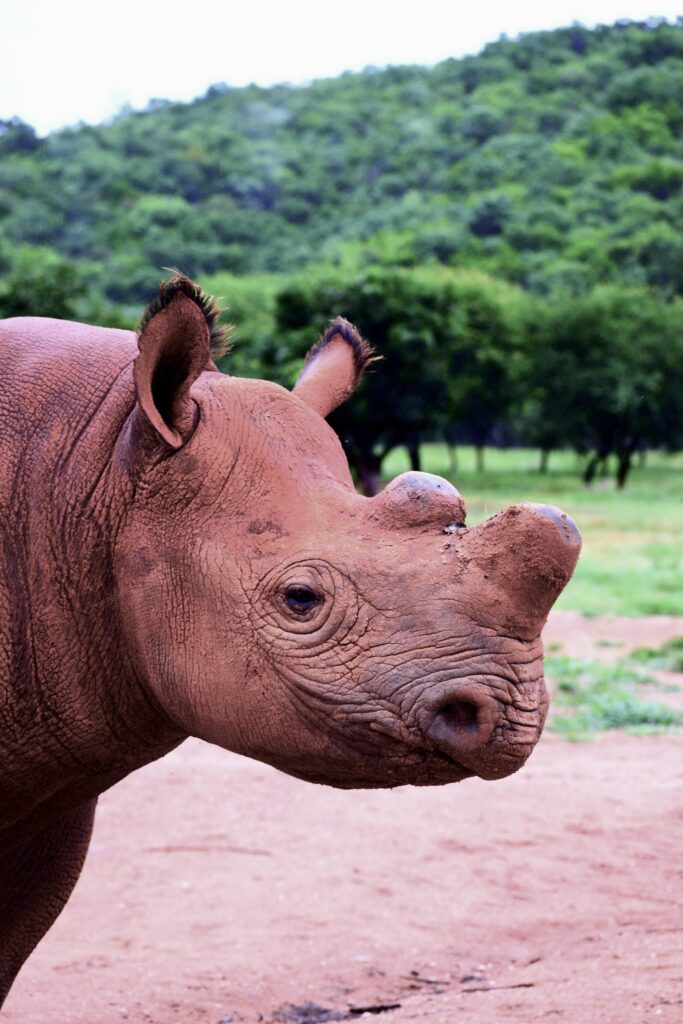 Rewilding and Release
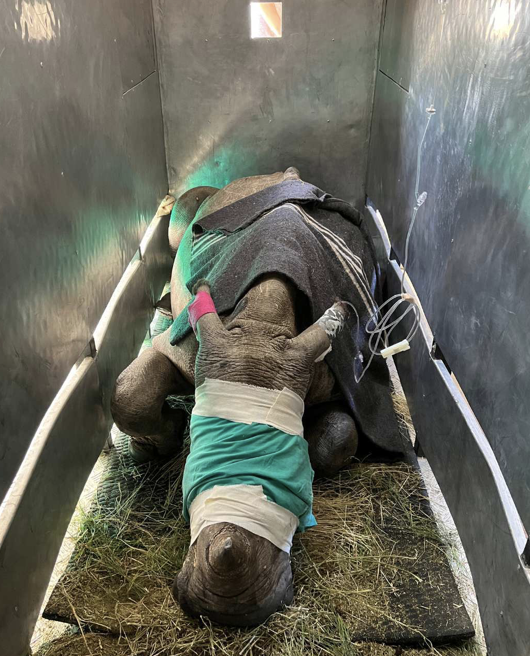 New Arrival
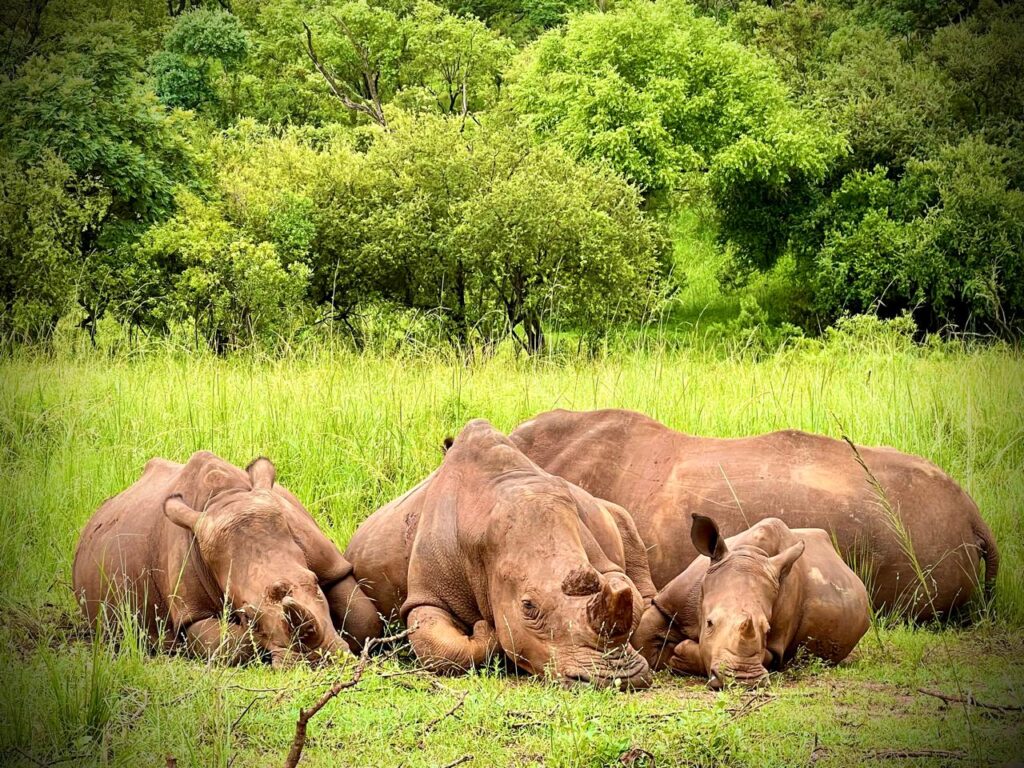 Rewilding and Release
Adopt a Rhino
Your adoption supports the daily care, food and protection of your rhino.
Where your adoption goes
Your contribution directly funds your rhino's daily care:
- Food, milk formula and supplements
- Veterinary treatment and medicine
- 24/7 anti-poaching protection
- Safe rehabilitation and rewilding
Meet
Get sanctuary updates, rhino stories and meaningful ways to help, delivered to your inbox.
Unsubscribe at any time. Privacy Policy.
