Rapid rescue and emergency care for orphaned and injured rhinos
Every rhino rescue begins in crisis. Every second matters. Whether a calf has been orphaned by poachers, badly injured in the wild or left too young to survive alone, each rescue is a desperate race against time. The decisions made in those first critical moments can mean the difference between life and death.
Emergency response. Veterinary coordination. Specialist rhino care.
Every rescue is a race against time.
Every second matters for an orphaned or injured rhino. Dehydration, hypothermia, blood loss, shock and traumatic injuries can quickly become life-threatening.
Rhino rescue is a high-risk emergency operation where every decision counts. It demands an experienced team, specialist equipment and the ability to act quickly under immense pressure. No two rescues are ever the same. Every plan is shaped in real time by the rhino’s age, condition, location and the challenges of the surrounding environment.
From the moment a calf is found, an extraordinary network of people comes together. South African Nation Parks (SANParks), the Mpumalanga Tourism and Parks Agency (MTPA), private reserve owners, cross-border conservation partners, veterinarians, rangers, pilots, transport teams and Care for Wild all work as one, racing against time to give that rhino the best possible chance of survival.
‘A frightened rhino orphan is exhausted, disorientated and calling for a mother that will never return’
Rhino Rescue Timeline
Emergency Call
The emergency call comes in. An orphaned or injured rhino has been found. Most often, it is rangers on routine patrol or teams responding to reports of poaching activity, gunshots or other incidents. Sometimes, there is no calf in sight, only tracks disappearing into the bush. Search teams are deployed immediately, knowing that every passing minute reduces the rhino’s chance of survival.
Critical Field Assessment & Monitoring
Once the calf is found, the race is far from over. Its condition and location are rapidly assessed while rangers remain close, protecting, observing and monitoring every movement. Sometimes, they follow a frightened orphan for hours through the bush, keeping it safe from predators and further danger until veterinarians and rescue teams can reach it.
The Critical Window
The window to save the rhino is small. A wildlife veterinarian safely darts and immobilises the rhino, either from the ground or by helicopter. The moment the rhino is sedated, the rescue team moves in. A rapid triage is performed as the team administers intravenous fluids, oxygen and emergency veterinary care to stabilise the rhino for transport.. Life-threatening injuries, including machete wounds, gunshot wounds and severe hyena attack injuries, receive immediate emergency treatment to control bleeding. A blindfold, earplugs and tranquilisers help reduce stress before the journey to Care for Wild begins.The odds remain uncertain but for the first time since the rescue began, the rhino has a fighting chance.
Emergency Evacuation
Although stabilised, the calf remains in a critical condition and every minute matters. Smaller calves are flown directly to the sanctuary by helicopter, while larger rhinos are carefully secured in specially designed transport crates or airlifted beneath a helicopter to waiting vehicles. These are highly complex operations that demand flawless coordination between wildlife veterinarians, specialist capture teams, pilots and Care for Wild. Built on more than a decade of working together, their experience, precision and communication are often the difference between life and death, ensuring each rhino reaches the sanctuary safely and its chance of recovery can truly begin.
Emergency Admission & Triage
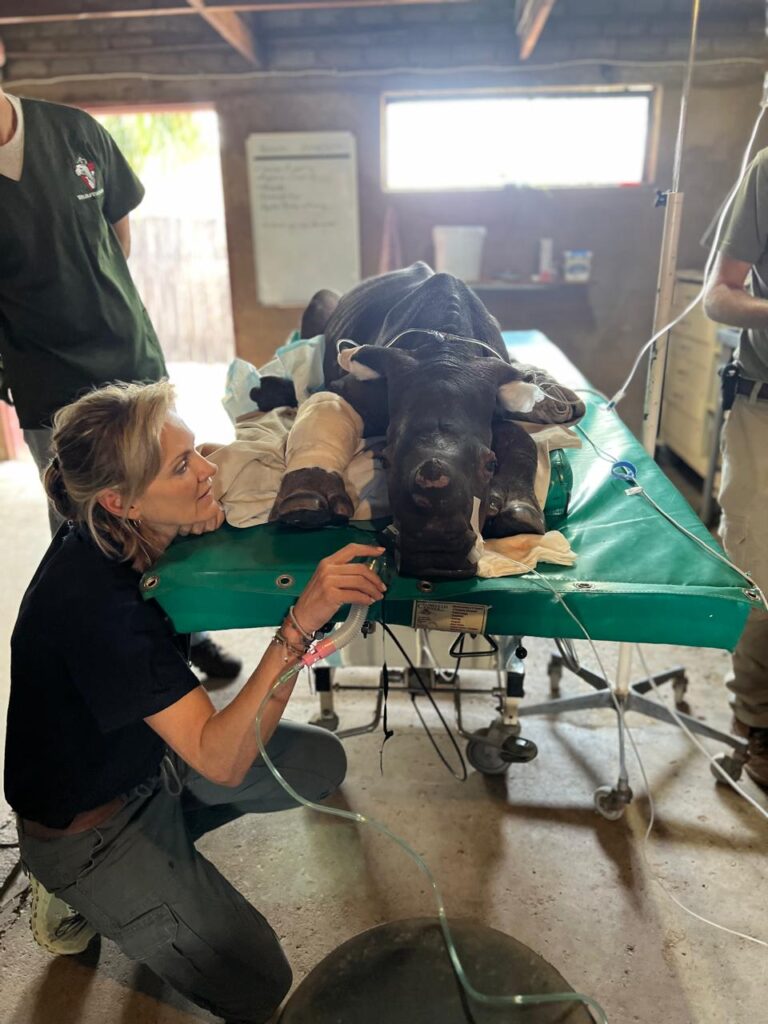
On arrival at Care for Wild, the rhino is rushed into an immediate triage assessment, where veterinarians and caregivers work quickly to identify injuries, stabilise its condition and determine the level of care needed. Every minute remains critical. Whether admitted to the Intensive Care Unit (ICU), High Care Facility or the Adult Treatment and Care Boma, the fight for survival continues with dedicated care around the clock.
Hope Takes Hold & The Journey Begins
The first 24 to 48 hours are critical as the rhino is still fighting for its life. Around the clock, Care for Wild's care team work tirelessly to stabilise its condition through emergency treatment and constant monitoring. Alongside intensive medical care, the team provides the calm and reassurance needed to reduce fear, ease trauma and build trust. Only when the rhino is finally stable does the emergency give way to hope, and rehabilitation begins.
What your support helps make possible
Your support provides the critical resources needed to save a rhino’s life.
Real stories of rescue and survival
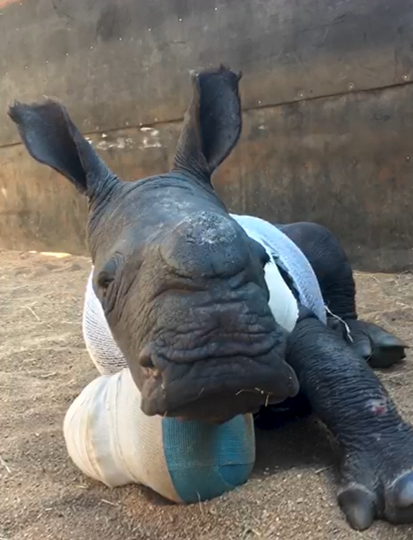
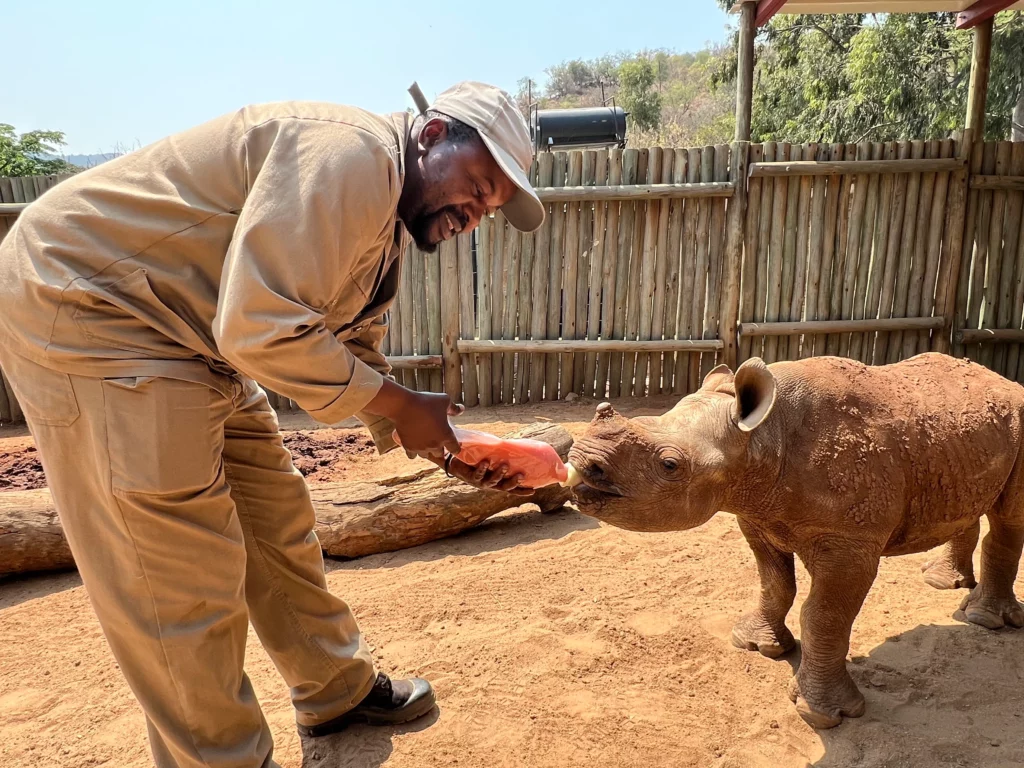
No two rescues are ever the same. Every rhino arrives carrying its own story. Some spend days clinging to life in intensive care. Whatever they face, every calf receives the individual care, patience and expertise needed to give it the very best chance of surviving and one day returning to the wild.
 Rewilding and Release
 New Arrival
 Rehabilitation
 Rehabilitation
Adopt a Rhino
Your adoption supports the daily care, food and protection of your rhino.
Where your adoption goes
Your contribution directly funds your rhino's daily care:
- Food, milk formula and supplements
- Veterinary treatment and medicine
- 24/7 anti-poaching protection
- Safe rehabilitation and rewilding
Meet
Help make the next rescue possible.
When every second counts, your donation gives Care for Wild the power to respond immediately, providing orphaned and injured rhinos with the life-saving rescue, emergency treatment and specialist care they urgently need to survive.
